Summit Post
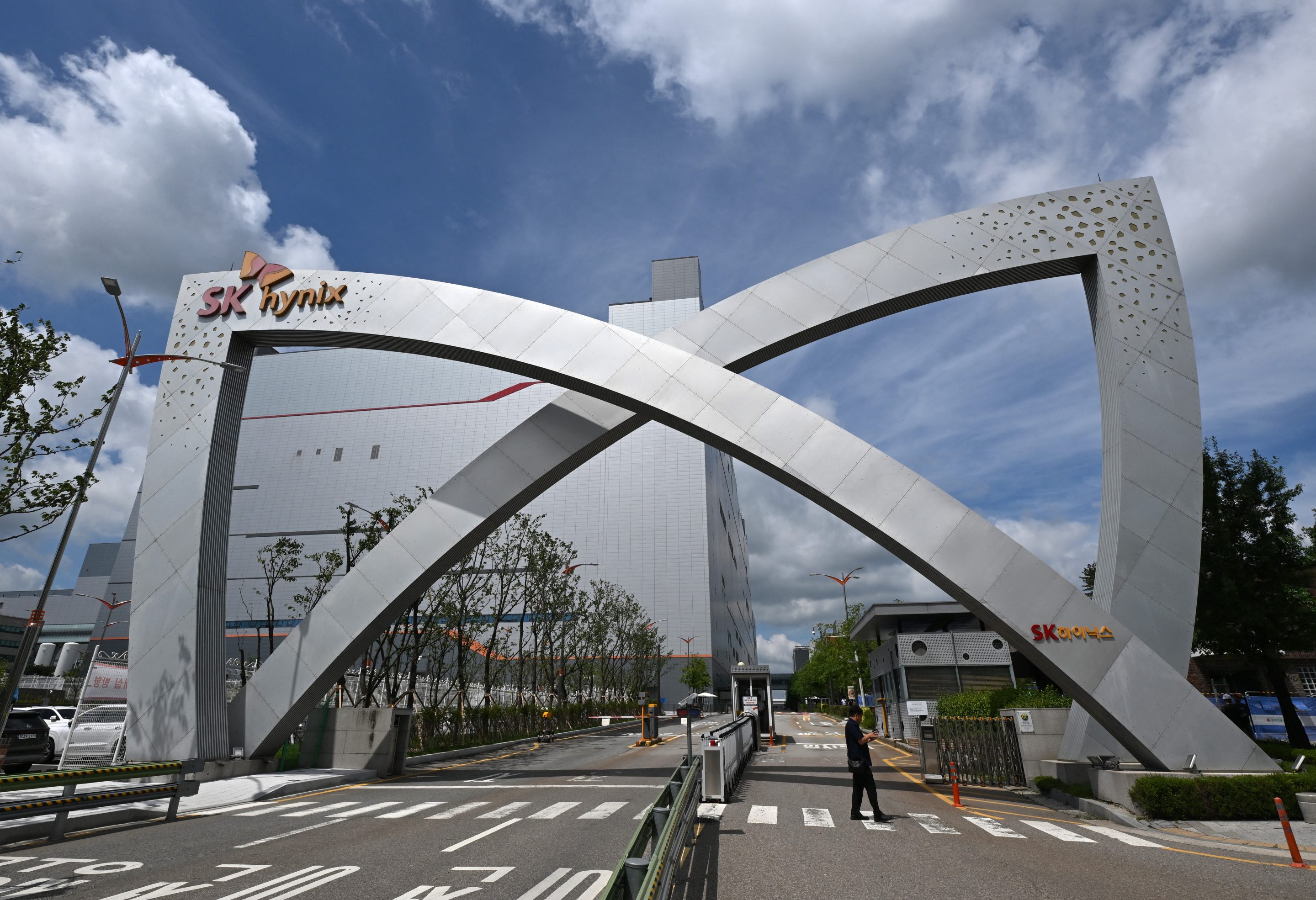
SK Hynix, the world’s second-largest memory chip maker, is warning that the global memory shortage could persist through 2030, putting more stress on electronics companies and data center operators who need these semiconductors. The South Korean company, which supplies high-bandwidth memory to Nvidia, generated 104.6 trillion Korean won ($78.1 billion) in quarterly revenue, its highest-ever quarterly total and a 32% increase from the previous quarter. Operating profit also hit a record 83.3 trillion won ($62.1 billion), a 38% jump quarter-on-quarter.
The company attributed the performance to strong demand for advanced memory products, including high-bandwidth memory, or HBM, which is used alongside AI accelerators. The company has secured long-term agreements covering more than 50% of its production capacity for 2027 and 2028, according to its earnings presentation. The company plans to spend at least 40 trillion won ($30 billion) on capacity this year, up from roughly 30 trillion won ($23 billion) in 2025.
The memory shortage has cut into the margins of electronics manufacturers, making it more difficult for smartphone, PC, and game console manufacturers to avoid hiking prices. SK Hynix also said it now plans to return 100 trillion won ($75 billion) in total to shareholders, adding to a previously announced 40 trillion won ($29.8 billion) buyback earlier this year. Much of that cash comes from one-off investment gains from SK Hynix’s stake in Kioxia, Toshiba’s former memory chipmaking division.
“Our principle has been to share the majority of the gains from successful strategic investments with our shareholders,” CEO Kwak Noh-Jun said during the earnings presentation. “These gains help replenish our capacity for shareholder returns.” SK Hynix’s Korea-traded shares rose 10.9% on Wednesday, following the earnings report. Samsung Electronics also rose 9%; the Korean chipmaker reports earnings tomorrow.
The broader KOSPI index rose 6.6%. The earnings report helped lift tech and chip stocks across Asia, sustaining a rally that began on Tuesday following the filing of Anthropic’s S-1 registration form ahead of its hotly-anticipated IPO. Still, SK Hynix’s shares are down by just over 50% from their mid-year peak.
SK Hynix shares, as well as AI-related shares more broadly, have been battered by investor fears that AI spending is set to slow down, due to continued bottlenecks in data center construction and worries about returns. On Oct. 22, SK Hynix postponed an IPO for Solidigm, its U.S. unit; in the earnings call on Wednesday, Kwak blamed market volatility and the slide in semiconductor stocks for the decision. A slowdown in AI spending could be bad for South Korea as well.
The country’s exports have surged on the back of the AI boom; exports between January and September have surpassed $800 billion for the first time, and have already exceeded the total for all of 2025. Exports are currently on track to exceed $1 trillion. The Bank of Korea on Tuesday estimated that exports could drop by as much as $100 billion, compared to earlier forecasts, if U.S.
Big Tech companies curb their infrastructure spending.
Source: Fortune