Summit Post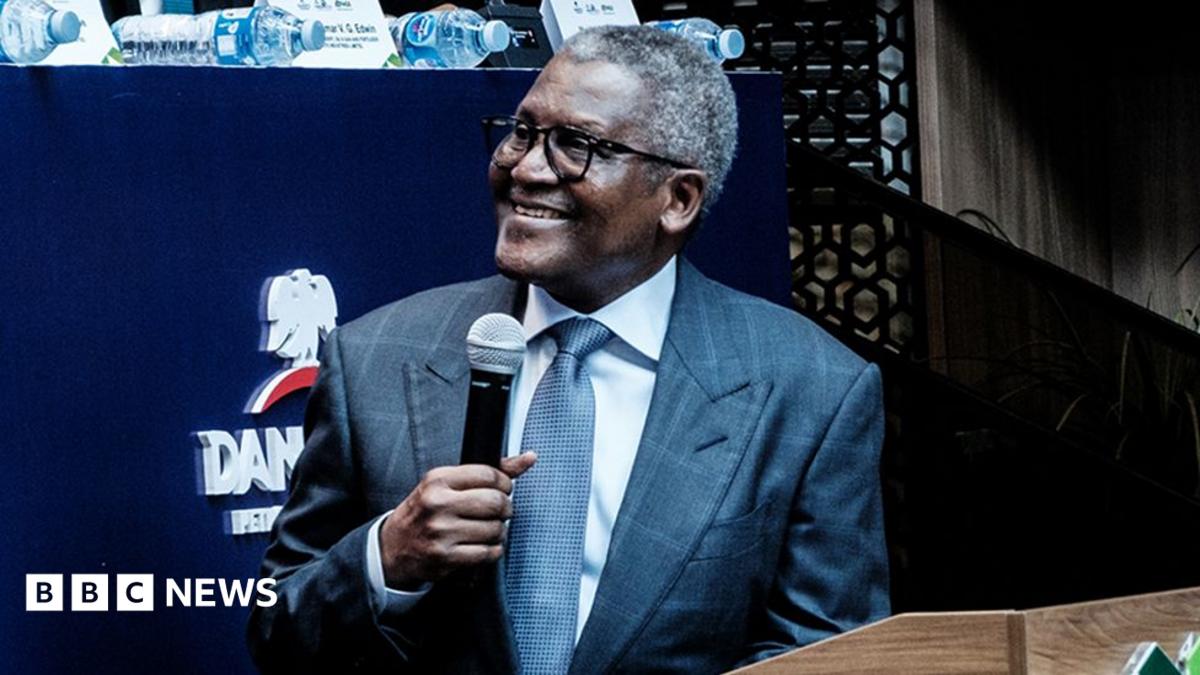
Every Nigerian is now an oil magnate. At least that is what the social media memes would have you believe as investor fever hits the country. Nigerians have been eager to have a piece of the energy business that was built up by the country's – and continent's – richest man: Aliko Dangote.
More than four billion shares in his giant oil refinery – representing just over 3% of the company - went on the market on Monday in Africa's biggest-ever sale of its kind. The minimum purchase was 10 shares for about $4 (£3) and despite this only representing a miniscule portion of the firm, many are now celebrating and joking about their new-found (part-)owner status. One popular social media video has a Nigerian narrating how he stopped a speeding Dangote company lorry driver, telling him not to be reckless with company property.
Other memes show investors trying to phone up Dangote to discuss business matters. And the term "Yangote" – a pun in the Hausa language essentially meaning "we all have a share now" - has been trending on social media. On the first day of the Initial Public Offering (IPO), investment apps crashed as they could not handle the high demand.
Bamboo, which runs one of the most popular investor tools here, later apologised, saying: "We know we let you down." Public affairs analyst Jamil Ubah said he had rarely seen Nigerians as excited about something as this. He argued that it fed the dream that it could lead to greater riches for a population that is often battling to make ends meet. "I think the hope for the common man is that his money will grow into something big, and don't forget this is coming at a time when many are struggling as the economy is not doing great," he told the BBC.
Dangote wanted this to be "the people's IPO" with drivers, cooks, cleaners and servants having the chance to be part of something big. And they took him at his word. Twenty-five-year-old clothes seller Idris Lawal Musa made his first-ever stock exchange purchase and told the BBC he was happy after investing 21,000 naira ($16; £12) in 40 shares.
"It is no longer Dangote but 'Yangote', the company belongs to us now," he said while laughing. But he may make a quick sale. "I am a trader by profession and when I see that the shares have increased in price I will sell," he noted.
The popularity also reflects a growing investment culture among younger Nigerians who have embraced mobile trading platforms, cryptocurrencies and digital savings products. But fear of missing out may have also pushed some to get into the investment business. In the build-up to the IPO, social media platforms were awash with financial conversations.
People shared subscription guides, debated valuation metrics and encouraged friends and family to participate. But amid the frenzy, experts have warned that there are risks – shares can go down in value, as well as up, meaning people could lose some, or all, of their investment. Financial analyst Shuaib Uwais said prospective investors should avoid thinking of the IPO as a guaranteed route to wealth.
He urged people to consider a number of factors that could impact the refinery's future performance, including disruptions to crude oil supply, operational challenges, regulatory changes and fluctuations in demand for refined petroleum products. "If for any reason the company experiences difficulty in sourcing its raw materials, there could be challenges," he told the BBC. Nevertheless, the IPO has given people the chance to be part of this home-grown success story.
Dangote's sprawling refinery on the outskirts of Lagos, which began operating two years ago and now processes around 700,000 barrels of crude a day, has transformed the fortunes of Nigeria's oil sector. Until recently, Africa's largest crude oil producer had no refining capacity and had to import the finished product. Now the Dangote refinery is feeding much of the domestic demand.
But for Dangote, the share offer is about raising cash to fund the growth of the business, something that the country's mini-magnates may now be able to get behind.
Source: bbc.co.uk